This post contains an affiliate link. #ad
By Susan Volk, RDH — Last updated August 21, 2026
Short answer: A dentist-fitted custom night guard and a reputable mail-order custom guard are usually made the same way — from an actual impression of your teeth, in a real dental lab — the real differences are cost, turnaround, and whether you get an in-person fitting check. Store-bought boil-and-bite guards are a different category entirely, and not a fair comparison to either.
What a Dentist-Fitted Guard Involves
Your dentist or a dental assistant takes an impression (or a digital scan) of your teeth at the office, sends it to a dental lab, and you come back for a fitting once it’s ready — typically one to three weeks. Because it’s done in person, your dentist can check the bite and adjust the guard chairside if anything feels off. Cost typically runs $300 to $600 or more, depending on your location, the material, and whether your dental insurance covers any portion of it (some plans cover a percentage if bruxism is documented; many don’t cover it at all).
What a Mail-Order Guard Involves
Companies like Sentinel Mouthguards mail you an impression kit, you take your own impression at home following their instructions, and you mail it back — they fabricate the guard in a dental lab from that impression, the same basic process as an in-office guard, just without the chairside visit. Turnaround is usually a couple of weeks, and cost is typically a fraction of the in-office price. Disclosure: that’s an affiliate link — we may earn a commission if you purchase, at no extra cost to you.
Where They’re Actually Similar
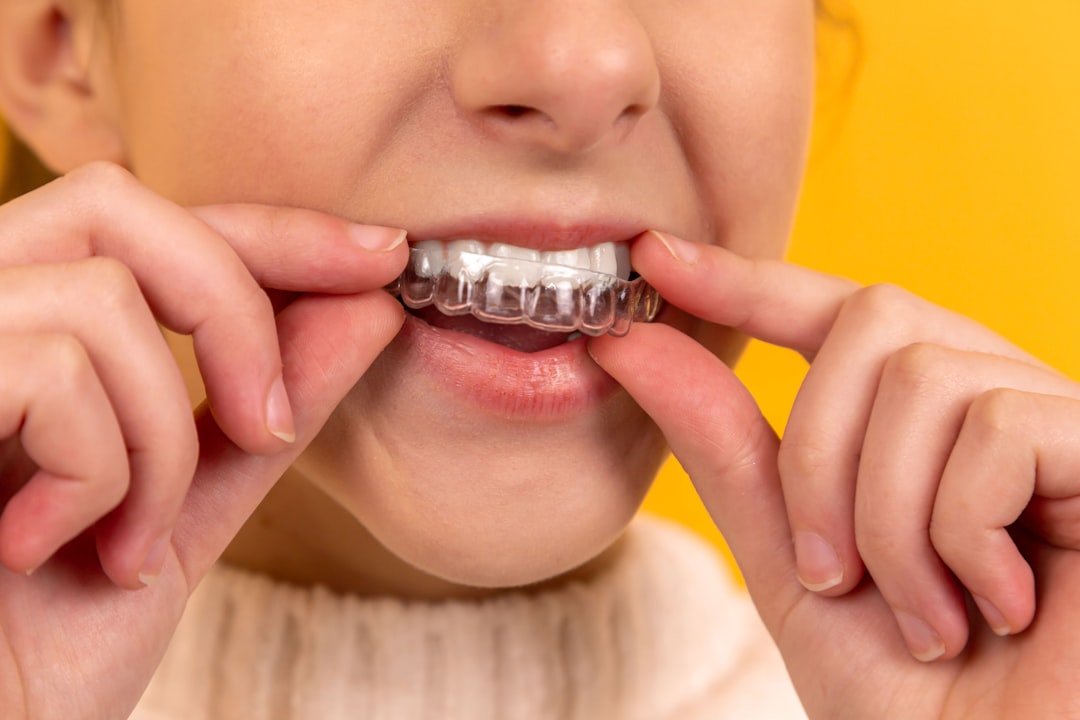
Fit quality between a well-reviewed mail-order guard and an in-office one is usually closer than people expect, because both start from an actual impression of your teeth rather than a generic mold. That’s the real dividing line worth understanding: a custom guard (in-office or mail-order) versus a boil-and-bite guard from a drugstore, which you soften in hot water and bite into yourself — those fit far less precisely, tend to feel bulky, and are the ones most likely to end up unused in a drawer.
Where They’re Actually Different
- In-person adjustment. A dentist can check your bite and adjust the guard chairside; a mail-order guard skips that step, so if something feels off, you’re working with customer support rather than someone examining your mouth directly.
- Diagnosis. A dentist visit is also when bruxism actually gets confirmed, and when other causes — TMJ dysfunction, sleep apnea, bite alignment — get ruled in or out. A mail-order guard treats the symptom, not the diagnosis.
- Cost and timeline. Mail-order is usually faster to start (no appointment wait) and meaningfully cheaper, but you’re trading some of that in-person quality control for the savings.
Who Should See a Dentist First
If you haven’t been diagnosed with bruxism yet, or if you’re dealing with jaw pain, frequent headaches, or symptoms that could point to TMJ dysfunction or sleep apnea, start with a dentist visit rather than ordering a guard on your own — a guard protects your teeth, but it won’t catch or treat something more involved going on underneath. (For the full rundown on causes and warning signs, see our bruxism guide.) Once bruxism is confirmed and a guard is what you actually need, that’s when the dentist-vs-mail-order decision becomes a real cost/convenience choice rather than a diagnostic one.
One quick clarification since the two get confused: a night guard protects your teeth from grinding, but it’s not designed for snoring. If it’s snoring — not grinding — that’s actually keeping you or a partner up, that’s a different product entirely, typically a mandibular advancement device like ZQuiet. We cover that distinction, and what to know before diagnosing yourself, in our snoring guide.
Where to Buy It
If a custom guard is what your dentist has recommended and the in-office price isn’t working for your budget, Sentinel Mouthguards is worth a look — their at-home impression kit builds a real custom guard in a dental lab, at a meaningfully lower price point than most in-office quotes. Disclosure: affiliate link, at no extra cost to you.
Frequently Asked Questions
Is a mail-order night guard as good as one from my dentist?
For fit, generally yes if it comes from a reputable company using real dental-lab fabrication — both start from an actual impression of your teeth. What you lose is the in-person adjustment and the diagnostic visit that comes with seeing a dentist directly.
How much does a custom night guard cost?
In-office guards typically run $300–$600+ depending on location and materials. Mail-order custom guards are usually priced well below that range.
How long does it take to get a mail-order custom guard?
Typically a couple of weeks from the time you mail back your impression kit, though exact timelines vary by company.
2 responses
[…] one properly fitted without the office price tag. For a full breakdown of the differences, see our dentist vs. mail-order guide. Disclosure: that’s an affiliate link — we may earn a commission if you purchase, at no […]
[…] Previous […]