By Pete Volk — 25-year veteran of the dental industry (Director of Strategic Accounts, DCI Edge), writing here strictly as a patient — Last updated August 20, 2026
Quick disclosure up front, since I’d rather say it plainly than bury it: I work in dental equipment manufacturing — I’m Director of Strategic Accounts at DCI Edge, which makes treatment chairs, lights, and cabinetry used in dental offices. I’m writing this article as a patient talking about my own experience in the chair, not as a sales pitch, and I’ll be direct below about the one place my employer’s products come up.

With that out of the way — I’ve sat in dental chairs my whole life, and the experience today is genuinely different from twenty years ago, in ways that have nothing to do with anesthesia and everything to do with a handful of smaller technology upgrades most patients probably don’t think about by name.
Electric Handpieces
The traditional air-driven drill has a distinct high-pitched whine that’s practically a cultural shorthand for dental anxiety. Electric handpieces run quieter and vibrate less, with more consistent, controllable torque — which for the patient in the chair translates to less noise and a smoother, less jarring sensation. It’s a small mechanical difference that has an outsized effect on how tense you feel during a procedure.
Nitrous Oxide (Laughing Gas)
Nitrous oxide isn’t new technology, but delivery has gotten more precise and comfortable over the years, with better-fitting nasal masks and more controllable dosing. For anxious patients or longer procedures, it takes the edge off without knocking you out, and it wears off within minutes of the mask coming off — you can drive yourself home, which matters a lot for how practical it is to actually use.
Intraoral Cameras and Chairside Monitors
Being shown a tiny camera image of the exact spot on your tooth that’s a problem — right there on a screen next to the chair — changes the entire dynamic of a visit. It’s the difference between being told something and being shown it. This is one of the technology shifts I find genuinely changes how much a patient trusts and understands their own treatment plan.
The Chair Itself
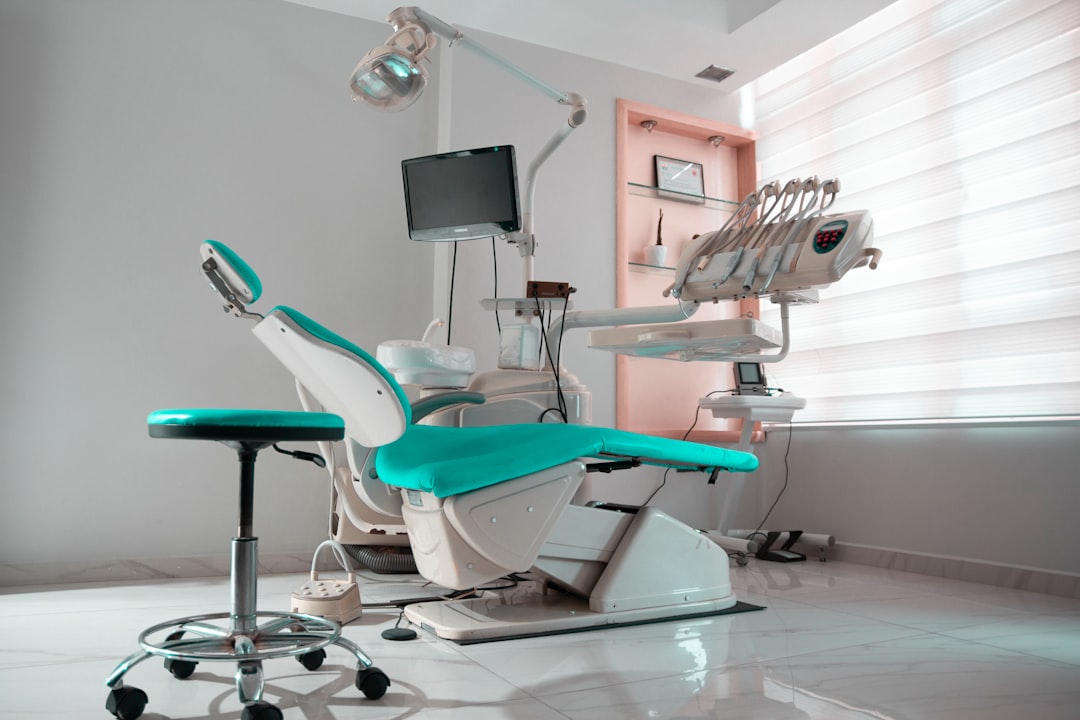
This is the one place I’ll be specific about my employer, because it’s directly relevant and I’d rather name it than dance around it: modern treatment chairs — including massaging chairs like the ones DCI Edge manufactures — have moved well past being just a place to sit while work happens on you. Contoured support, smoother and quieter positioning motors, and built-in massage functions are aimed at reducing the physical tension patients hold during longer appointments, which in my own experience genuinely changes how a long appointment feels in your back and neck afterward, not just in your mouth. I’m obviously not a neutral source on this specific point, so take it as one patient’s honest impression rather than an independent review — but it’s the piece of “comfort tech” I happen to know the most about, for reasons that should be obvious by now.
Sedation Options Beyond Nitrous
For patients with more significant anxiety or longer, more involved procedures, oral conscious sedation and IV sedation have also become more refined and more commonly offered by general dentists, not just specialists — worth asking about directly if nitrous alone hasn’t been enough for you in the past.
Frequently Asked Questions
Should I ask my dentist what comfort technology their office actually has?
Yes — not every office has invested in the same equipment, and if dental anxiety or physical discomfort during appointments has kept you from going regularly, it’s worth asking directly what’s available before you book, or even shopping around if comfort features matter a lot to you.
Does nitrous oxide have side effects I should know about?
Mild nausea or lightheadedness is possible but uncommon, and it resolves quickly once the mask is removed and you breathe normal air for a few minutes, which your provider will do before you leave. It’s considered very safe for most patients, but mention any respiratory conditions to your provider beforehand.
Since you work for a chair manufacturer, should I be skeptical of what you wrote here?
That’s a fair instinct, and it’s exactly why I disclosed it upfront rather than letting you find out later. Everything else in this article — the handpieces, nitrous oxide, intraoral cameras, sedation options — has nothing to do with my employer. On the one point that does, judge it as what it is: an honest personal impression from someone with an obvious industry connection, not an independent test.