This post contains an affiliate link. #ad
By Susan Volk, RDH — Last updated August 21, 2026
Short answer: Yes, if you play any contact or limited-contact sport — the research on this is unusually one-sided. A properly fitted mouthguard meaningfully lowers your risk of dental injury, and while a stock or boil-and-bite guard from a sporting goods store is far better than nothing, a custom-fitted guard measurably outperforms both.

What the Research Actually Shows
The American Dental Association has looked at this closely, and the numbers are worth knowing. A 2019 meta-analysis the ADA cites found that athletes without a mouthguard had more than twice the risk of orofacial injury compared to those who wore one. Among college basketball players specifically, athletes without mouthguards had a dental injury rate of 0.67 per 1,000 game exposures, versus 0.12 for those wearing custom-fitted mouthguards — roughly five times higher. And in broader injury studies the ADA references, dental trauma prevalence ran 48–59% among non-users of mouthguards, compared to roughly 7.5–8% among users.
That’s a bigger gap than a lot of “wear your gear” advice usually implies — this isn’t a minor precaution, it’s one of the more effective single things an athlete can do to protect their teeth.
The Three Types of Mouthguards
- Stock (ready-made). Prefabricated in a handful of sizes, held in place mostly by biting down and keeping your mouth closed. The ADA considers this the least effective option — it’s the guard you grab off a shelf on the way to a game.
- Boil-and-bite (mouth-formed). Softened in hot water, then bitten into to form a rough fit. Widely available at any sporting goods store, and a real step up from stock — but the fit is still self-done and inconsistent.
- Custom-made. Built from an actual impression of your teeth, either in a dental office or through a reputable mail-order impression kit. This is the option the research above is describing when it shows the biggest injury-rate gap — it fits precisely, stays in place better during actual contact, and doesn’t interfere with breathing or talking the way a bulky boil-and-bite guard can.
Which Sports Actually Need One
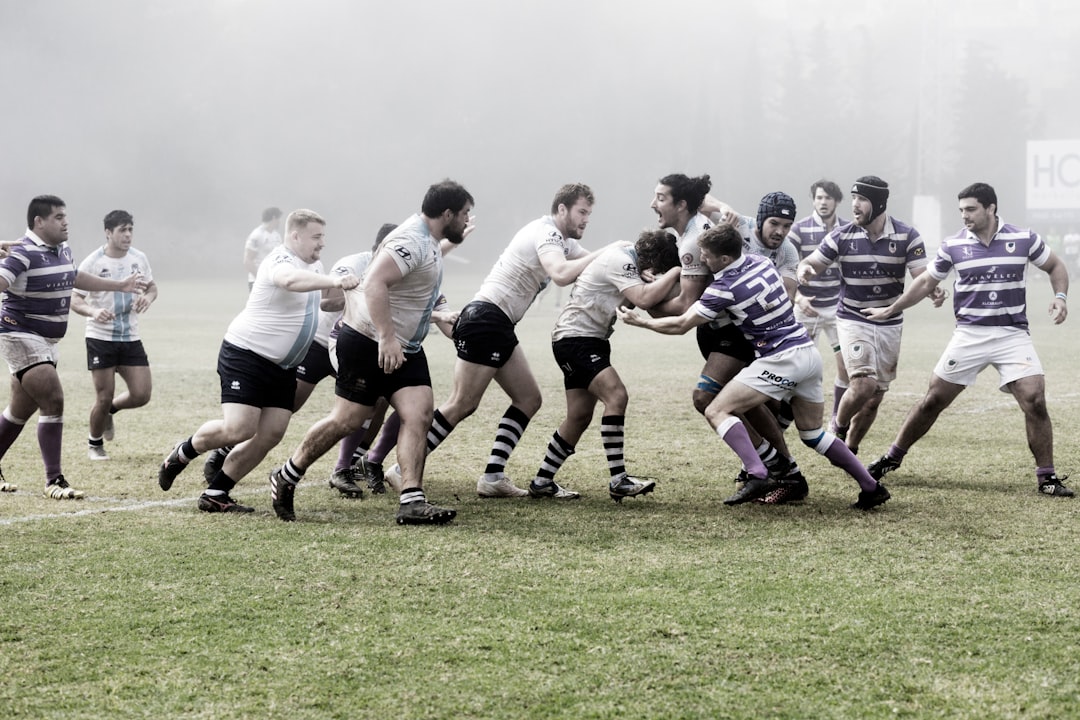
The ADA recommends mouthguards for more than two dozen activities, not just the obvious ones. Contact/collision sports where a mouthguard is essentially non-negotiable: football, ice hockey, lacrosse, boxing, rugby, and martial arts. Limited-contact sports where the risk is still real and often underestimated: baseball, basketball, gymnastics, skateboarding, volleyball, and skiing. Basketball in particular tends to surprise people — it’s not classified as a collision sport, but elbows, falls, and player contact make it one of the more common sources of dental injury in youth and high school athletics.
Why a Custom-Fit Guard Is Worth Considering
Given the gap between custom and store-bought protection, a custom guard is worth it for anyone playing regularly — not just elite athletes. The traditional route is a dental office impression and fitting, which works well but adds an appointment and typically the highest price point of the three options. If that’s not practical right now, a mail-order custom option like Sentinel Mouthguards uses an at-home impression kit to build a real custom-fitted guard in a dental lab, without the office visit. Disclosure: that’s an affiliate link — we may earn a commission if you purchase, at no extra cost to you.
Worth noting: a mouthguard built for sports and a night guard built for teeth grinding aren’t interchangeable, even though both are custom-fitted. A sports guard is designed to absorb and distribute impact; a night guard is built for sustained clenching pressure over hours of sleep. If you’re dealing with both — an athlete who also grinds their teeth at night — you’ll want one of each. (More on night guards specifically in our dentist vs. direct-to-consumer comparison.)
Who This Matters Most For
Kids and teens in youth sports leagues, where dental injuries are common and often not fully covered by general health insurance. Anyone with braces, retainers, implants, or other dental work worth protecting — an impact injury on top of existing dental work tends to be more complicated and expensive to fix. And adults getting back into recreational contact sports after a few years off, who are often the least likely to bother with a mouthguard at all.
Where to Get One
Disclosure: the banner above is an affiliate link — we may earn a commission if you purchase through it, at no extra cost to you.
Frequently Asked Questions
Do I really need a mouthguard for basketball?
Yes — despite not being classified as a contact sport, basketball has one of the higher rates of dental injury in youth and high school athletics, largely from elbows and falls during play.
Is a custom mouthguard actually worth the extra cost over boil-and-bite?
Based on the injury-rate research, yes for anyone playing regularly — custom guards fit more precisely, stay in place better on impact, and are less likely to be left in a bag because they’re uncomfortable, which is the biggest failure point of boil-and-bite guards in practice.
Can I use my night guard for sports, or vice versa?
No — they’re built for different kinds of force. A night guard is designed for sustained clenching pressure over hours; a sports mouthguard is designed to absorb and distribute a sudden impact. If you need both, get both.