By Susan Volk, RDH — Last updated August 20, 2026
Short answer: Bruxism — grinding or clenching your teeth, usually during sleep — is often something people don’t even know they’re doing until a dentist spots the wear pattern or a partner mentions the sound. It’s driven by a mix of stress, sleep issues, and sometimes bite alignment, and while a night guard is the most common treatment, it protects the teeth without necessarily addressing why the grinding is happening in the first place.

How to Recognize It
Because most bruxism happens during sleep, a lot of people find out about it from their dentist rather than noticing it themselves. Signs your dental team looks for include flattened or worn tooth edges, small fractures or chips in enamel, and increased tooth sensitivity from that wear. You might also notice your own signs: waking up with a sore or tight jaw, headaches (especially at the temples) first thing in the morning, or a partner mentioning they hear grinding at night. Daytime clenching — often during focused work or stress — is common too and easy to miss since it doesn’t make noise.
What Causes It
Stress and anxiety. This is the most commonly cited trigger, and it’s consistent with how bruxism often flares during particularly stressful stretches of life and eases up when things calm down.
Sleep disorders. Bruxism is strongly associated with sleep apnea and other sleep-disordered breathing — in some cases, grinding is actually the body’s way of repositioning the jaw to reopen a partially blocked airway. This connection is worth knowing, because treating an underlying sleep disorder can sometimes resolve grinding that a night guard alone wouldn’t fix.
Bite alignment. A bite that doesn’t come together evenly can contribute to grinding as the jaw searches for a more comfortable resting position.
Lifestyle factors. Caffeine, alcohol, smoking, and certain medications (some antidepressants in particular) have all been associated with an increased likelihood of bruxism.
What Actually Helps
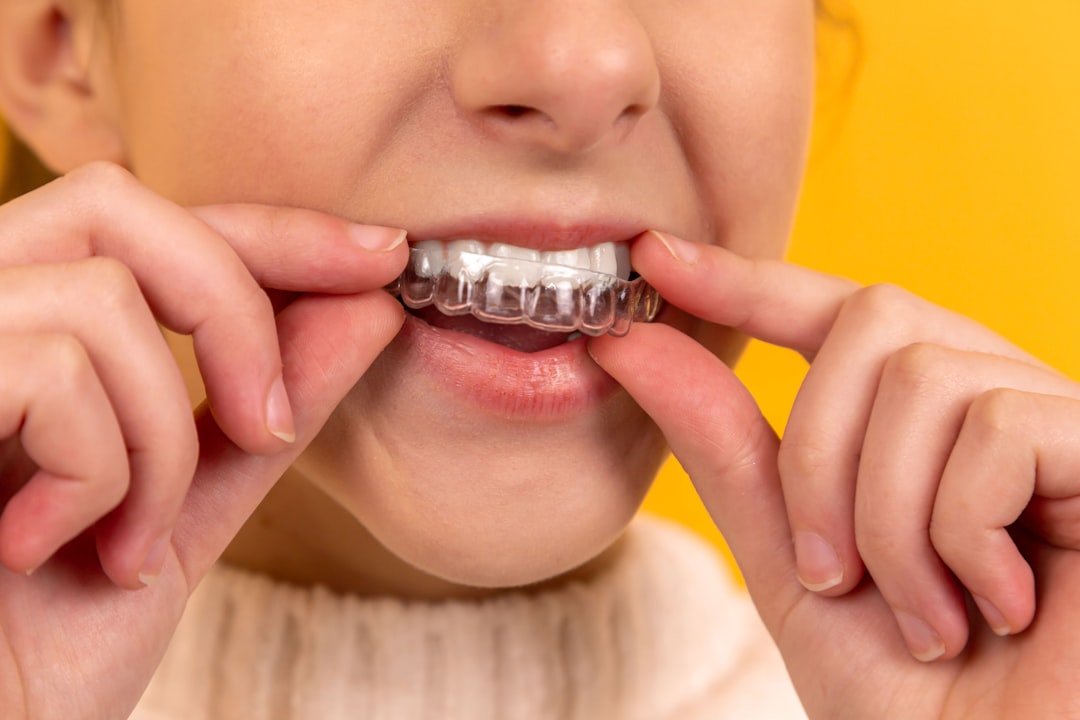
A night guard. This is the most direct protective step — a custom-fitted guard from your dentist distributes the force of grinding more evenly and protects enamel from wearing down further. Custom guards fit and perform better than one-size-fits-all store-bought versions, which can be bulky and are more likely to be left in a drawer than actually worn.
Addressing the root cause. Stress management techniques, evaluating sleep quality (or getting a sleep study if apnea is suspected), and reducing evening caffeine or alcohol can reduce how often grinding happens rather than just protecting against the damage.
Bite adjustment or orthodontics. In cases where alignment is a significant contributing factor, your dentist may discuss options to address the bite itself.
Frequently Asked Questions
Can bruxism damage more than my teeth?
Yes — chronic grinding and clenching can contribute to jaw joint (TMJ) pain and dysfunction, and the muscle tension involved is a common cause of tension headaches, particularly around the temples.
Do kids grind their teeth too?
It’s fairly common in children, especially during teething or as permanent teeth come in, and often resolves on its own. Persistent grinding in kids is still worth mentioning to their dentist, especially if there’s noticeable wear on baby teeth.
Will a night guard stop me from grinding?
Not necessarily — a night guard protects your teeth from the effects of grinding, but it doesn’t always stop the grinding itself, especially if the underlying cause (stress, sleep apnea, etc.) isn’t addressed. Think of it as damage control that buys time while the root cause is managed separately.
Leave a Reply