By Pete Volk — 25-year veteran of the dental industry (Director of Strategic Accounts, DCI Edge), writing here strictly as a patient — Last updated August 20, 2026
For most of my adult life, I had no idea an oral cancer screening was even part of my regular cleaning — I thought that quick check where the hygienist feels around my jaw and neck was just… part of the routine, unlabeled. It wasn’t until I asked directly what she was checking for that I learned it was a specific, deliberate screening. Now I ask about it every visit, and I think more patients should know what’s actually happening during those thirty seconds.

What the Screening Actually Involves
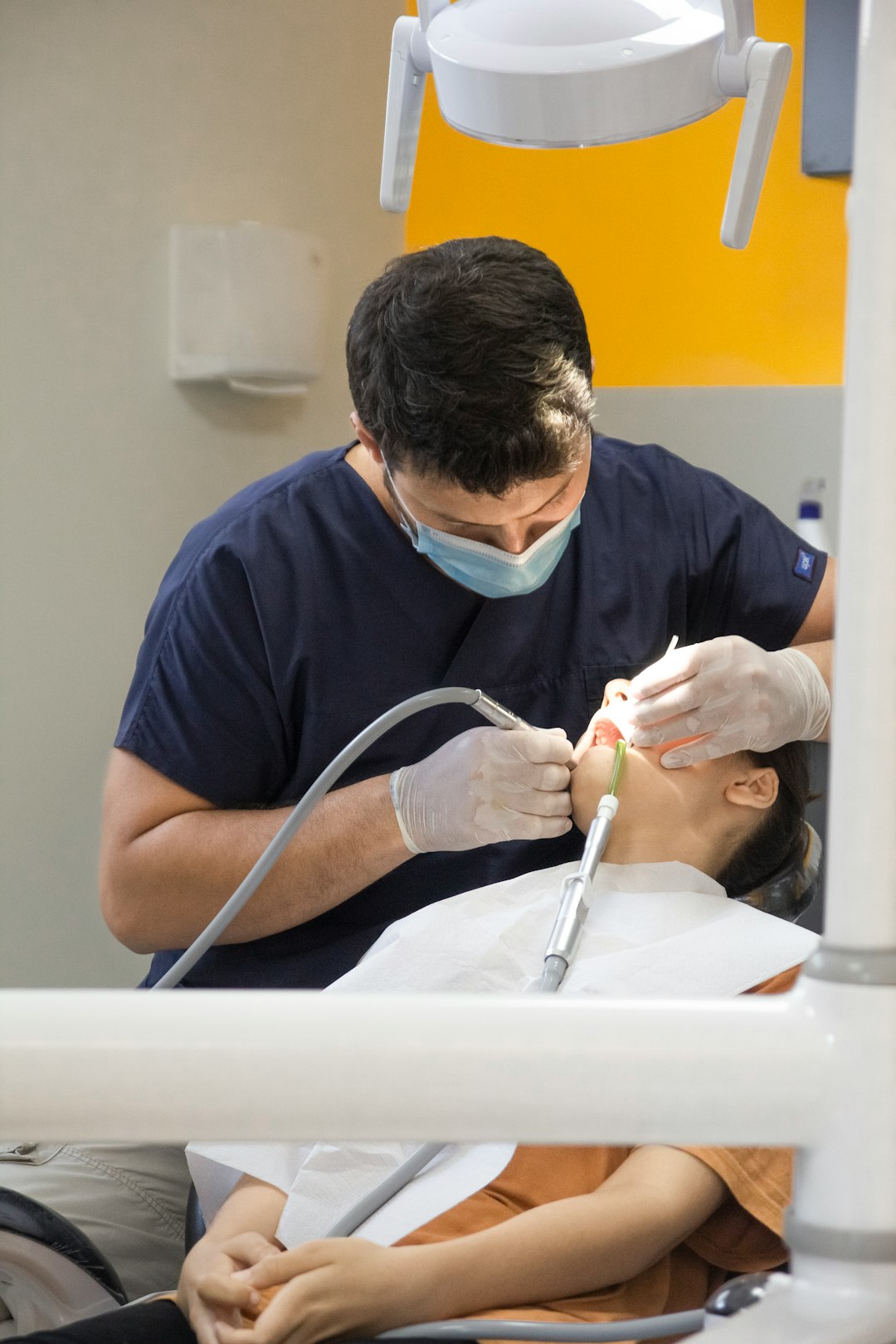
A standard oral cancer screening includes a visual exam of your lips, cheeks, gums, tongue (including the sides and underneath, not just the top), the roof and floor of your mouth, and the back of your throat, followed by a physical check — your hygienist or dentist feeling along your jaw, under your chin, and down your neck for anything abnormal: lumps, swelling, or areas of asymmetry. Some offices also use an adjunctive screening light that can highlight tissue changes not always obvious under normal light.
What They’re Actually Looking For
Specifically: white or red patches that don’t rub off, sores that haven’t healed within two weeks, unexplained bleeding, numbness in the mouth or lips, a lump or thickening in the cheek, persistent hoarseness, or difficulty chewing or swallowing that’s new. Most of what they find during a screening turns out to be something harmless — a bite mark, an irritation from a rough tooth edge, a canker sore. The screening exists to catch the rare case that isn’t harmless, and catch it early.
Why Early Detection Matters So Much Here Specifically
Oral cancer is one of the cancers where the difference between an early-stage and late-stage diagnosis is particularly stark in terms of treatment outcomes, and it’s also one where a lot of people don’t have an obvious symptom driving them to a doctor — it’s often found first at a dental visit, not a physician’s office, because dentists and hygienists are the ones regularly looking directly at the tissue involved.
Who Should Be Asking About This
Everyone, honestly — but it’s worth being specifically proactive about if you have any tobacco or heavy alcohol use history (current or past), a history of HPV, significant sun exposure to the lips over the years, or a family history of oral cancer. None of those are disqualifying or embarrassing to mention — they just change how closely your provider watches certain areas.
Frequently Asked Questions
How do I know if my dentist is doing this screening or just doing a regular exam?
Ask directly: “Is an oral cancer screening part of my regular visit, and can you tell me what you’re checking?” If it’s not currently part of your routine visit, most offices are glad to add it — it typically takes under a minute.
Is this screening included in a regular cleaning, or is it a separate cost?
It’s almost always included as part of a standard exam at no extra charge. It’s still worth confirming directly with your office, since billing practices vary.
What happens if something suspicious is found?
In most cases, your dentist will either monitor it over a short follow-up period if it looks minor, or refer you to an oral surgeon or specialist for a biopsy if it looks concerning. A referral for further evaluation is not the same as a diagnosis — it’s the appropriately cautious next step.